

The Enduring Legacy of Brian Boru: Unifier, Warrior, and King
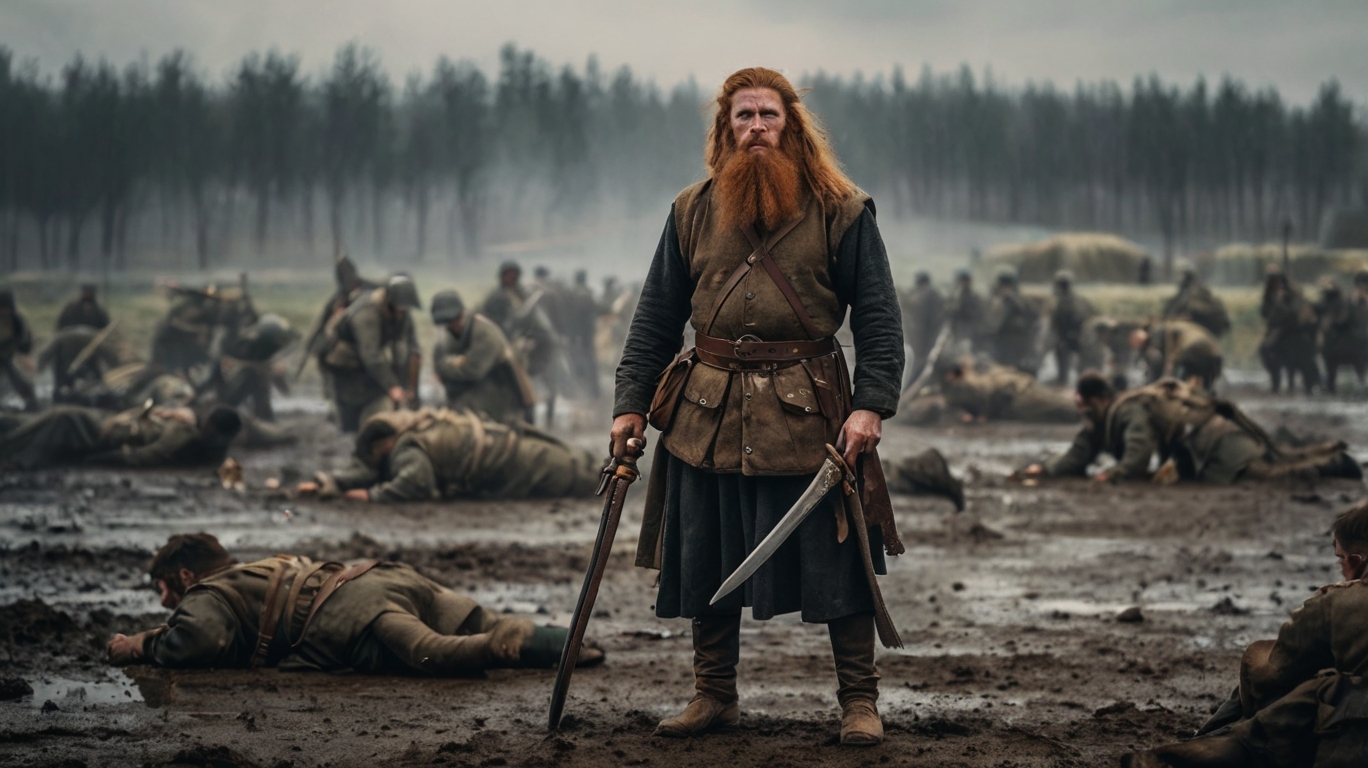
Brian Boru, a towering figure in Irish history, is renowned for his exceptional leadership and military acumen. His rise to power during a time of chaos and division in Ireland marks him as a significant historical leader. As the High King of Ireland, his efforts aimed to unify the country and resist external threats, particularly from the Viking invaders. His legacy still resonates today and inspires discussions about leadership and national unity in Ireland.
The complexity of his reign is reflected in his military campaigns, political maneuvers, and the cultural impact he left behind. Brian’s striving for unification was not purely motivated by ambition; it stemmed from a vision of a stronger, cohesive Ireland. His connection to the Dál Cais dynasty provided him with both legitimacy and the ability to rally support among different tribes. In this context, Brian Boru symbolized resilience against external forces that threatened the Irish identity.
The tales of his bravery and strategic genius have been passed down through generations and serve as a testament to his unwavering commitment to his people. As one explores the life and times of Brian Boru, it becomes evident that he was much more than a king; he was a unifier, a defender of his homeland, and an enduring symbol of Irish cultural heritage. His legacy as a great warrior and leader continues to influence modern Ireland’s perception of national identity and leadership. Thus, the story of Brian Boru remains relevant as it intertwines with the narratives of history, culture, and national pride.
Family Background
Brian Boru was born into the Dál Cais family in the late 10th century, where he was raised in an environment that emphasized loyalty, courage, and leadership. His father, Ceinneidigh, was a king, which set the stage for Brian’s future ambitions. His family background provided him with the necessary resources and connections to rise as a leader among the various clans of Ireland. Growing up in a turbulent yet politically vibrant time, Brian developed a keen understanding of alliances, warfare, and diplomacy.
Dynasty and Rise to Power
Brian Boru belonged to the Dál Cais dynasty, an influential family that played a crucial role in Irish politics and military affairs during the early medieval period. The Dál Cais dynasty, which traces its roots to a legendary figure named Cais, was highly regarded for its warriors and leaders. Brian’s commitment to strengthening his dynasty allowed him to ascend to the position of High King of Ireland, a title that signified his dominance over competing clans. His legacy continues to influence Irish culture and leadership structures even today.
Military Campaigns
Throughout his life, Brian Boru led numerous campaigns to unify Ireland under his rule, especially against Viking incursions. His most famous military achievement was the decisive victory at the Battle of Clontarf in 1014, where he successfully repelled Viking forces. This battle not only solidified his power but also marked a pivotal moment in Irish history, shaping the future of the nation. His campaigns contributed to the decline of Viking influence, paving the way for a more united Irish kingdom.
Main Battle
The Battle of Clontarf remains the most significant battle associated with Brian Boru, occurring on April 23, 1014. This battle involved a coalition of Irish forces led by Brian facing a Viking army fighting for supremacy in Ireland. The outcome was a complex victory for Brian, who, despite winning the battle, lost his life in the fierce fighting. Clontarf symbolizes not just a military triumph but also the broader struggle for Irish sovereignty and self-determination.
Legacy
Brian Boru’s legacy is one of both military prowess and cultural unification in Ireland. After his death at the Battle of Clontarf, his vision of a united Ireland influenced future generations and leaders. Many Irish historians view him as instrumental in shaping the nation’s identity, with his efforts heralded in stories and folklore. Memorial sites and celebrations honoring his contributions are commonplace, underscoring his lasting impact on Irish history and culture.
Burial and Death
Brian Boru was buried in the Armagh Cathedral in County Armagh, Ireland, as a significant figure in Irish history.
Related Clan
As a leader of the Dál Cais clan, Brian Boru’s relationship with other clans, such as the O’Neill and the O’Donnell clans, was both competitive and collaborative. His ability to forge alliances with various tribes strengthened his position against common enemies, including the Vikings. While conflicts with rival clans were inevitable, Brian’s leadership style often leaned towards diplomacy and negotiation. His relations with other clans helped to facilitate a sense of shared identity and collective resistance against outside forces.
Summary
Brian Boru, an illustrious figure in Irish history, made profound contributions to the political and cultural landscape of Ireland during his reign. His campaigns against Viking forces and efforts to unify the various tribes of Ireland have cemented his legacy as a paramount leader. The tales surrounding his life and the battles he fought continue to resonate deeply within Irish culture today. The legacy of Brian Boru serves as a symbol of resilience and unity, fostering a national identity that persists through centuries.
References
External:
Source
Internal:
Clan