
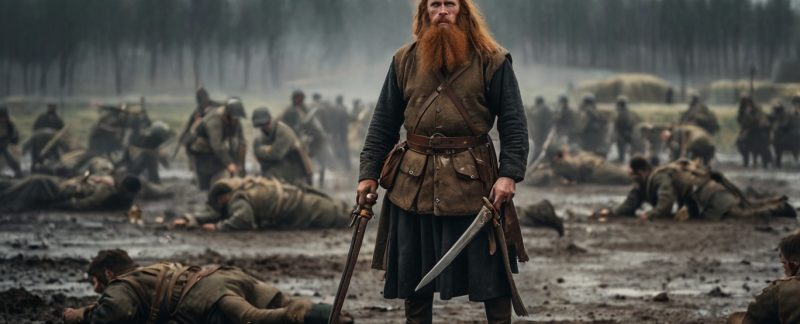
Brian Boru, a pivotal figure in Irish history, was known for uniting the country in the early 11th century. As a king of Munster, his reign marked a transformative period filled with both turmoil and triumph. Although he faced numerous challenges, his determination and strategic vision led to unprecedented success. Transitioning from local leader to national figure, Brian sought to defeat Viking influence in Ireland. Ultimately, his legacy is still celebrated today, as he represents the strength and resilience of the Irish people. His contributions continue to inspire historians and citizens alike.
In the context of his monumental battles, Brian Boru’s legacy became firmly established. His victory at the Battle of Clontarf in 1014 was particularly decisive, striking a significant blow against the Viking forces. Furthermore, this battle showcased his ability to rally diverse groups under a singular cause. As a result, both his tactical brilliance and inspirational presence marked this conflict as a defining moment in Irish history. It was after this victory that his name became synonymous with Irish nationalism and unity. Therefore, his efforts not only shifted power dynamics but also inspired future generations.
Brian’s influence extended beyond military conquests; he was also a patron of culture and learning. His reign saw an increase in the production of literature and the arts throughout Ireland. This era flourished as scholars and poets were encouraged to express their creativity, reflecting the rich heritage of the nation. Consequently, Brian’s commitment to education and culture played an essential role in preserving Irish identity during challenging times. His forward-thinking approach helped shape a legacy that valued not just strength, but also knowledge and artistic expression. Thus, his reign is remembered as a golden age in Irish history.
Family Background
Brian Boru was born into a noble family that traced its roots back to legendary kings of Munster. His father, Cennétig, was a prominent leader and instilled in him the values of bravery and leadership. Growing up, Brian was taught the importance of alliances, both through marriage and kinship ties. His lineage included notable warriors and rulers, which significantly influenced his upbringing and ambitions. Moreover, his family background played a crucial role in his rise to power, providing him with both connections and legitimacy. This lineage became a cornerstone of his identity as he sought to unify Ireland.
Brian Boru, an iconic figure, played a crucial role in shaping early Ireland. His lineage was rooted in noble ancestry, which paved the way for his ascent to power. The campaigns he led not only strengthened his position, but also fostered unity among warring factions. His visionary leadership was exemplified during the Battle of Clontarf, a defining moment in Irish history. As a result of his efforts, the influence of Viking power waned significantly in the region. Thus, Brian Boru remains a symbol of resistance and determination for future generations.
Dynasty and Rise to Power
Brian Boru hailed from the Dál Cais dynasty, which rose to prominence in the 10th century. This dynasty played a vital role in shaping Irish politics and culture during a turbulent period. Initially, they were not as powerful as other clans; however, Brian’s leadership and vision transformed their fortunes. Over time, he effectively unified various factions, leading them toward a common goal. Thus, the Dál Cais dynasty became synonymous with resilience and unity, paving the way for a more cohesive Irish identity. Ultimately, this rise laid the foundations for future rulers and celebrated legacies in Irish history.
Brian Boru, an iconic figure, played a crucial role in shaping early Ireland. His lineage was rooted in noble ancestry, which paved the way for his ascent to power. The campaigns he led not only strengthened his position, but also fostered unity among warring factions. His visionary leadership was exemplified during the Battle of Clontarf, a defining moment in Irish history. As a result of his efforts, the influence of Viking power waned significantly in the region. Thus, Brian Boru remains a symbol of resistance and determination for future generations.
Military Campaigns
Throughout his reign, Brian Boru engaged in numerous campaigns to consolidate power and unify the fragmented Irish kingdoms. His most notable battles included skirmishes against Viking invaders and rival clans. Each campaign was marked by strategic brilliance, often involving alliances that played a crucial role in his victories. Furthermore, these battles showcased his military prowess and determination to secure Ireland’s future. As a result, he became known as not merely a king, but a warrior leader, setting the tone for future generations. Consequently, his campaigns contributed significantly to Irish resistance against foreign invaders.
Brian Boru, an iconic figure, played a crucial role in shaping early Ireland. His lineage was rooted in noble ancestry, which paved the way for his ascent to power. The campaigns he led not only strengthened his position, but also fostered unity among warring factions. His visionary leadership was exemplified during the Battle of Clontarf, a defining moment in Irish history. As a result of his efforts, the influence of Viking power waned significantly in the region. Thus, Brian Boru remains a symbol of resistance and determination for future generations.
Main Battle
The Battle of Clontarf, fought on April 23, 1014, stands as the most prominent confrontation associated with Brian Boru. This battle was not merely a military engagement; it represented a struggle for the very soul of Ireland. Brian’s forces faced a formidable coalition of Vikings and their allies, determined to maintain their foothold in the region. Through strategic planning and unyielding determination, Brian’s men achieved a pivotal victory that reshaped the landscape of Irish politics. Consequently, the significance of this battle resonates through history, marking a turning point in the fight against Viking invasions. The legacy of Clontarf endures, celebrating valor and unity against oppression.
Brian Boru, an iconic figure, played a crucial role in shaping early Ireland. His lineage was rooted in noble ancestry, which paved the way for his ascent to power. The campaigns he led not only strengthened his position, but also fostered unity among warring factions. His visionary leadership was exemplified during the Battle of Clontarf, a defining moment in Irish history. As a result of his efforts, the influence of Viking power waned significantly in the region. Thus, Brian Boru remains a symbol of resistance and determination for future generations.
Legacy
Brian Boru’s impact on Ireland extended far beyond his lifetime, influencing countless generations. His efforts to unify the country against external threats laid the groundwork for a more cohesive national identity. Additionally, the cultural renaissance during his reign fostered a pride in Irish heritage that persists today. He is often celebrated for his role in promoting learning, art, and literature, ensuring that these elements would flourish. Moreover, his legacy as a unifier and protector of his people solidified his place in history. Hence, Brian Boru remains a symbol of strength and resilience in the face of adversity.
Brian Boru, an iconic figure, played a crucial role in shaping early Ireland. His lineage was rooted in noble ancestry, which paved the way for his ascent to power. The campaigns he led not only strengthened his position, but also fostered unity among warring factions. His visionary leadership was exemplified during the Battle of Clontarf, a defining moment in Irish history. As a result of his efforts, the influence of Viking power waned significantly in the region. Thus, Brian Boru remains a symbol of resistance and determination for future generations.
Burial and Death
Brian Boru was laid to rest at the Cathedral of Armagh, a location steeped in history and significance. His burial site was chosen to reflect his royal status and importance in Irish history. Located in the heart of Ireland, it symbolizes the unification he brought to the kingdom. The site has become a pilgrimage for many who admire his legacy and contributions. Additionally, his remains are said to have been honored by his descendants and followers in various ways over the centuries. This resting place serves not only as a memorial but also as a reminder of the great king’s enduring influence.
Brian Boru, an iconic figure, played a crucial role in shaping early Ireland. His lineage was rooted in noble ancestry, which paved the way for his ascent to power. The campaigns he led not only strengthened his position, but also fostered unity among warring factions. His visionary leadership was exemplified during the Battle of Clontarf, a defining moment in Irish history. As a result of his efforts, the influence of Viking power waned significantly in the region. Thus, Brian Boru remains a symbol of resistance and determination for future generations.
Related Clan
Brian Boru’s descendants took on significant roles in Irish history, continuing his legacy. Many of them became influential chiefs and leaders, ensuring the preservation of his vision. They contributed to the ongoing struggle for autonomy against external influences. Moreover, the clan system that Brian bolstered played a crucial role in maintaining alliances among various families. Through both conflict and cooperation, his successors navigated the complexities of leadership in a changing Ireland. Ultimately, the lineage of Brian Boru remains a testament to his enduring impact on the coming generations.
References
External Reference:
Learn more about ’s life and impact here
Internal Reference:
Learn more about Ancient Irish Warriors here